Login

Login
Dec. 25, 2024
Selecting the appropriate hydraulic hose fitting is crucial for the efficiency and safety of hydraulic systems. The right fitting ensures leak-free connections, proper fluid flow, and system integrity. With various types of hydraulic hose fittings available, identifying the right one for your application can be daunting. This guide will walk you through the essential factors to consider when choosing hydraulic hose fittings.
Hydraulic hose fittings are components used to connect hydraulic hoses to other parts of a hydraulic system, such as pumps, valves, and cylinders. They are designed to withstand high pressure and provide a secure connection to prevent leaks and maintain system performance.
The first step in choosing the right hydraulic hose fitting is understanding the specific requirements of your application. Consider the following:
- Pressure Rating: Ensure the fitting can handle the maximum pressure of your hydraulic system.
- Fluid Compatibility: Check if the fitting material is compatible with the type of fluid used in your system.
- Temperature Range: Confirm that the fitting can operate effectively within the temperature range of your application.
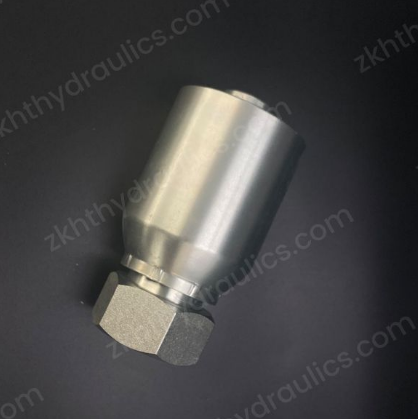
Hydraulic fittings come in various types, each suited for different applications:
- JIC (Joint Industry Council): JIC fittings have a 37-degree flare and are commonly used for high-pressure applications. They provide a leak-proof seal and are ideal for fluid power systems.
- NPT (National Pipe Thread): NPT fittings are tapered and create a seal by deforming the threads. They are suitable for low-pressure applications and are often used in oil and gas industries.
- BSP (British Standard Pipe): BSP fittings come in parallel (BSPP) and tapered (BSPT) versions. BSPP fittings are used for general-purpose applications, while BSPT fittings are used for threaded connections in low-pressure systems.
- ORB (O-Ring Boss): ORB fittings have a flat face and use an O-ring to seal. They are commonly used in hydraulic systems where vibration and high pressure are factors.
- SAE (Society of Automotive Engineers): SAE fittings are designed for automotive and industrial applications. They come in various configurations, including JIC and ORB styles.
Explore more:
The material and construction of the fitting affect its performance and durability:
- Steel: Commonly used for high-pressure applications due to its strength and durability.
- Stainless Steel: Offers excellent corrosion resistance, making it suitable for harsh environments.
- Aluminum: Lightweight and suitable for lower-pressure applications.
- Brass: Often used for low-pressure applications and in industries where corrosion resistance is less critical.
Ensure that the fitting size and thread type match the hose and other components in your hydraulic system. Using incorrect sizes or incompatible threads can lead to leaks or system failure.
Proper installation and maintenance are vital for hydraulic hose fittings. Follow these guidelines:
- Torque Specifications: Adhere to manufacturer torque specifications to avoid over-tightening or under-tightening.
- Inspection: Regularly inspect fittings for signs of wear, damage, or leaks.
- Replacement: Replace any damaged or worn fittings promptly to maintain system integrity.
Selecting a reputable supplier is essential for obtaining high-quality hydraulic hose fittings. A reliable supplier will offer a wide range of fittings, provide expert advice, and ensure that their products meet industry standards. When looking for a supplier, consider factors such as product quality, customer service, and delivery times.
Identifying the right hydraulic hose fitting type involves understanding your application requirements, knowing the different fitting types, and selecting appropriate materials and sizes. Proper installation and maintenance further ensure the reliability and safety of your hydraulic system. If you need assistance finding the right hydraulic hose fitting or have any questions, please contact us. We can help you find a reliable supplier and ensure that you get the best products for your needs.
Explore more:715 0 0
Related Articles
Join Us


Comments
All Comments ( 0 )